


































Stripping Old Paint from a Heritage Home: Lead Paint Rules to Know

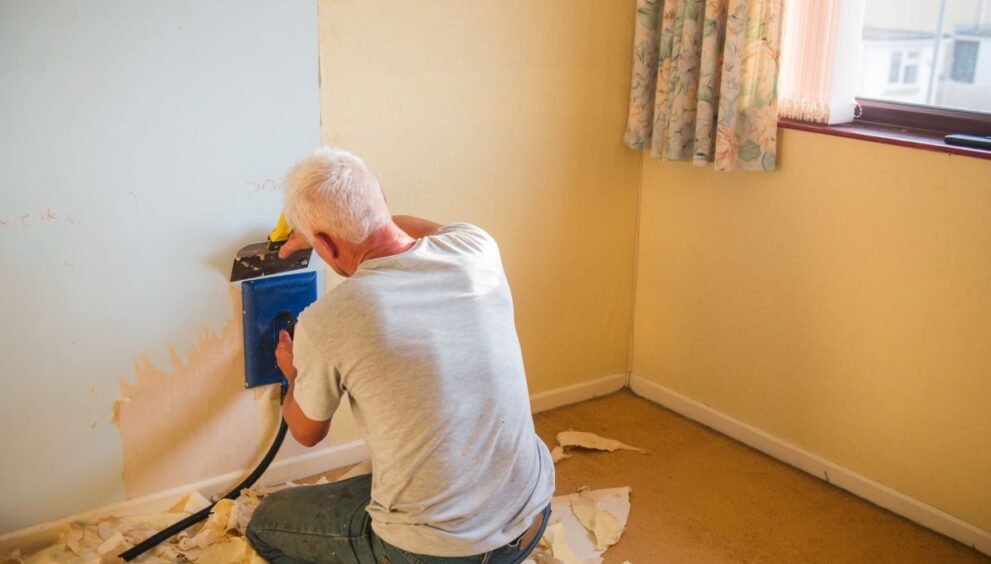
Restoring an older home often involves removing layers of deteriorated paint from timber doors, window frames, decorative metalwork and other original features. While stripping old coatings can reveal beautiful materials underneath, it also presents an important health risk that homeowners should not overlook.
Lead-based paint was commonly used in Australian homes before restrictions were introduced. Properties built before 1970 are particularly likely to contain lead paint, although older coatings can remain beneath newer layers in buildings from later periods.
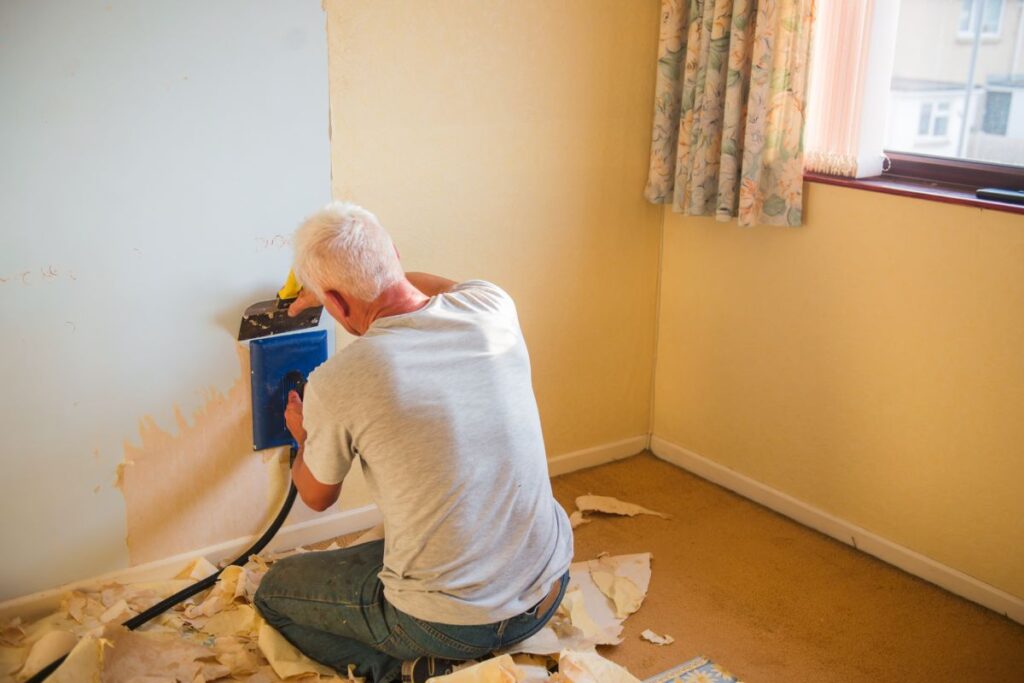
The main concern is not simply touching old paint. The greatest risks often arise when paint deteriorates or is disturbed through sanding, scraping, heating or demolition, releasing lead-contaminated dust and fumes.
Before beginning lead paint removal in an old house, homeowners should identify potential hazards and choose a method that minimises exposure.
Why is lead paint dangerous?
Lead is a toxic metal that can affect the nervous system and other organs. Exposure is particularly concerning for young children and pregnant women.
When lead-based paint is damaged or disturbed, small particles can contaminate:
- Floors and carpets.
- Window sills and frames.
- Furniture and household surfaces.
- Soil around the property.
- Clothing and equipment.
- Dust inside ceiling cavities.
Lead dust can be inhaled or swallowed. Children may be exposed when contaminated dust settles on surfaces they touch or objects they put in their mouths.
Adults undertaking renovation work may also be exposed through inhalation or accidental ingestion, particularly when appropriate protective measures are not used.
The risk increases when old paint is dry-sanded, ground, burned or heated incorrectly.
Who’s at risk
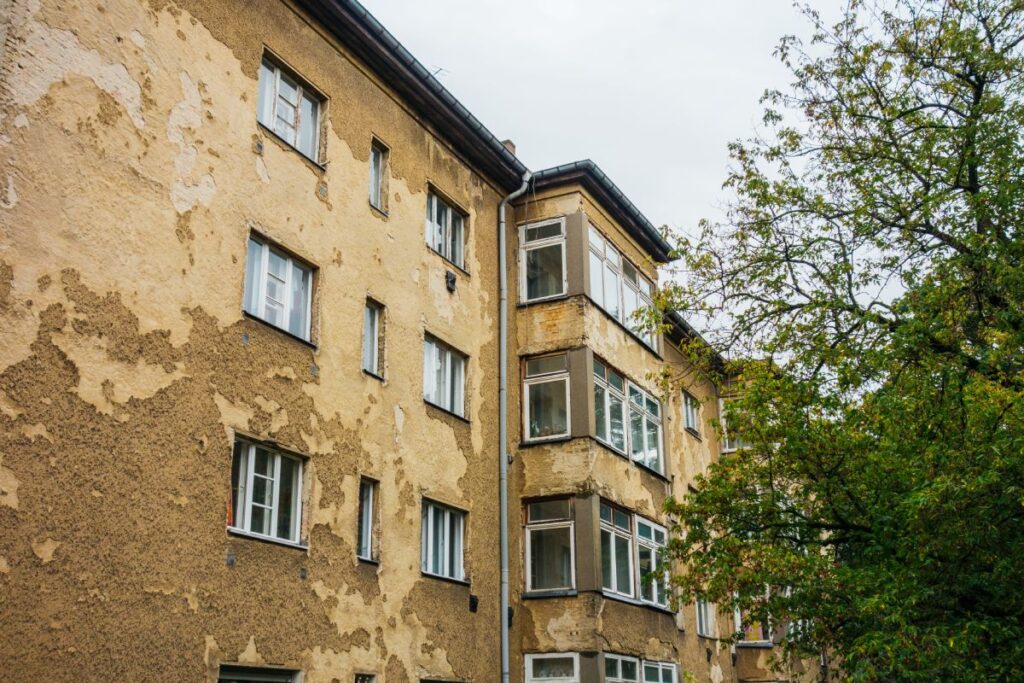
Lead paint was used in most homes built in Australia before 1970. Paints with as much as 50 per cent lead were used inside and out on homes built before 1950, and it wasn’t until around 1970 that lead content was limited to 1 per cent. Homes built after that can still have older paint on salvaged doors, windows and fittings.
Paint in good condition is not a hazard sitting on the wall. The risk comes when it’s disturbed: sanded, scraped, burned or chipped. Fine lead dust and fumes are easy to inhale or swallow, and young children and pregnant women are most at risk. Keep them away from the work area entirely.
Step one: test before you touch it
If your house was built before 1970, assume the paint contains lead until a test says otherwise. You can use a home lead test kit on each layer, or have samples analysed by a laboratory. Test every surface you plan to strip, as doors, windows and joinery were often repainted at different times.
If the paint is in good condition and you don’t need to remove it, one accepted option is to leave it alone and paint over it after light wet sanding.
Safe and unsafe methods
| Method | Verdict | Notes |
| Dry sanding or dry scraping | Avoid | Creates fine lead dust |
| Sandblasting or high-pressure water blasting | Avoid | Spreads contaminated debris widely |
| Open-flame torches or burning | Avoid | Creates lead fumes |
| Heat guns | Use with caution, or avoid | Government guides differ: some say don’t use them; NSW LeadSmart says if you must, use the lowest setting, wear an approved respirator and keep moving |
| Wet scraping | Accepted | Keep the surface wet to stop dust |
| Wet sanding | Accepted | Use wet-and-dry paper; light work only |
| Chemical stripping | Accepted | Ventilate well and follow the manufacturer’s instructions; some strippers are hazardous |
| Dry power sanding with a HEPA vacuum attachment | Accepted for trained users | The shroud must stay flat on the surface |
Working outside, lay plastic sheeting under the work area to catch debris, and avoid working on windy days so dust doesn’t spread to neighbouring yards or children’s play areas.
Heritage timber and iron: extra care
Period joinery and ironwork bring their own challenges:
- Detailed mouldings on doors, architraves and fretwork hold paint in every recess. Chemical strippers and careful wet scraping reach where sanding can’t, without rounding off crisp original profiles.
- Cast iron lace and balustrades are often thick with paint and rust. Abrasive blasting is the usual industrial approach, but on lead-painted iron it must be contained and done by specialists, never in an open backyard.
- Salvaged doors and windows from demolition yards may carry several layers of old lead paint even if your house is newer. Test them too.
- After stripping, choose a finish suited to the surface. Our guide to the best paint for wood covers primers and topcoats for timber.
Clean-up matters as much as removal
Most lead exposure in renovations comes from dust left behind, not the stripping itself.
- Close off the work area and cover floors and furniture with plastic.
- Wet-wipe surfaces and use a vacuum with a HEPA filter, not a household vacuum, which blows fine dust back into the air.
- Wash work clothes separately, and wash hands and face before eating or drinking.
- Bag paint debris securely and check with your council on how to dispose of lead-contaminated waste.
If you’re also dealing with old building materials, check them for asbestos before cutting or drilling. Our guide to whether to remove asbestos or leave it covers that decision.
When to call a professional
Professional assistance is particularly important when:
- Large painted areas need to be stripped.
- Multiple layers of lead paint are present.
- Paint is deteriorating or producing substantial dust.
- Decorative timber or cast iron requires detailed restoration.
- The work involves children’s rooms or frequently occupied areas.
- Containment and waste management are difficult.
- Previous renovation work has already spread contaminated dust.
A trained professional can assess the material, select an appropriate stripping method and establish controls to protect occupants and surrounding areas.
For heritage properties in Sydney, Heritage Restorations & Renovations offers restoration and renovation services. Specialist paint stripping and refinishing work can help preserve original timber and decorative details while taking the condition of existing coatings into account.
Before engaging any contractor, ask about their lead-safe work procedures, containment arrangements, protective equipment and waste disposal methods.
FAQ
Can I tell if paint contains lead just by looking?
No. Age is a guide, but only testing confirms it.
Is it safe to stay in the house during stripping?
For large jobs, it’s safest for children and pregnant women to stay elsewhere until the work and clean-up are finished.
What should I do if I think I’ve been exposed?
See a doctor, who can arrange a blood test to check lead levels.
Is it OK to burn old painted timber offcuts?
No. Burning lead-painted timber releases lead fumes. Dispose of it as waste.