


























Social Media and Self-Comparison: How to Protect Your Mental Health

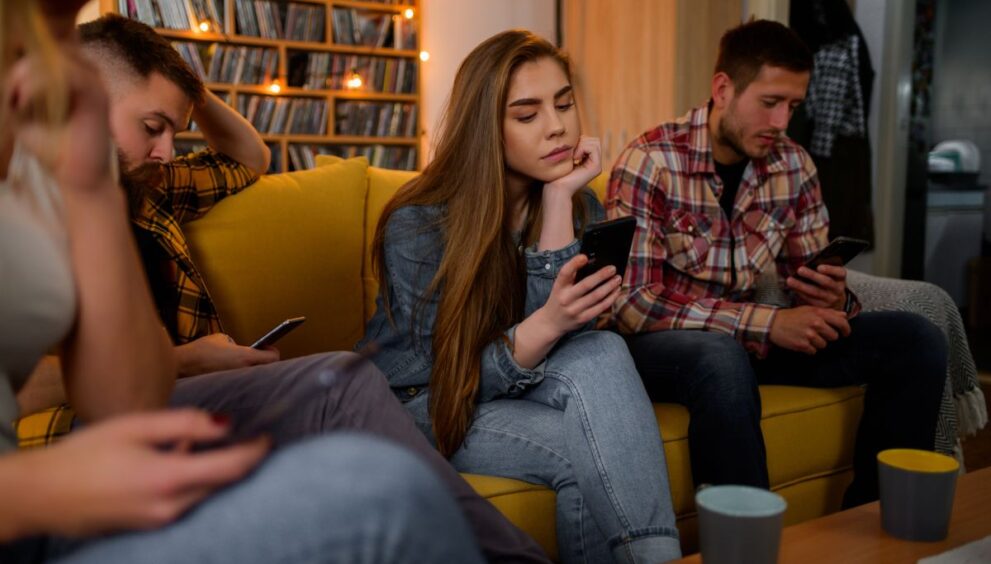
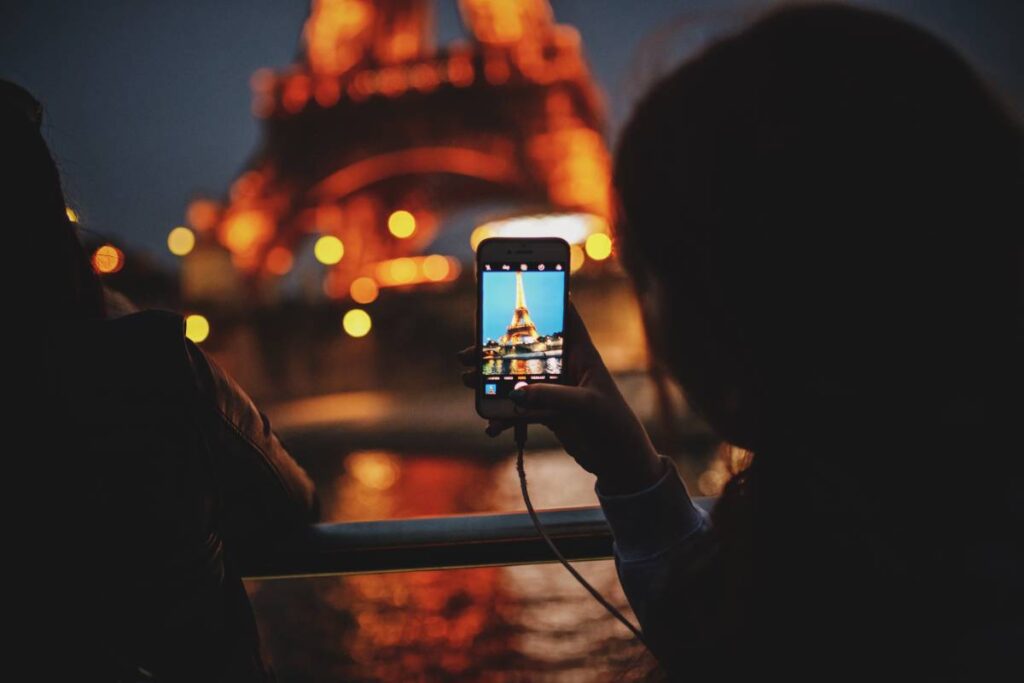
You open your phone for a quick scroll and, ten minutes later, everyone seems to be holidaying, getting promoted or living their best life while you are sitting on the couch. If that feeling sounds familiar, you are not alone.
Comparing ourselves with others is a deeply human habit, but social media has turned it up to a volume our minds were never built for. Here is why it happens and what you can do about it.
Why we compare ourselves to others
Psychologists have studied this for decades. Social comparison theory, first proposed by Leon Festinger in 1954, suggests we judge our own abilities, success and appearance by measuring ourselves against other people. Comparison is not always harmful. It can motivate us, help us learn and show us what is possible. The trouble starts when the comparison is constant, unfair or impossible to win.
Why social media makes it worse
- Highlight reels: people tend to share their best moments, not the ordinary or difficult ones, so you compare your behind-the-scenes with their edited best.
- Visible numbers: likes, followers and views turn social worth into a scoreboard.
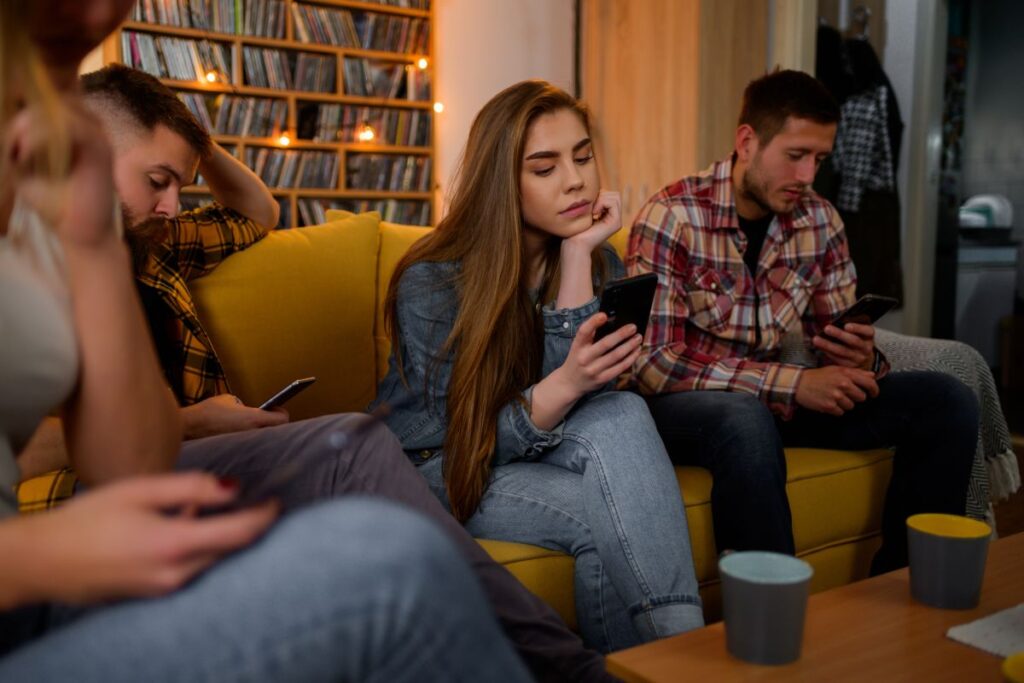
- Endless access: you can compare yourself with thousands of people in a single scroll, at any hour.
- Algorithms: feeds are designed to hold your attention, and content that triggers strong emotions often performs well.
- Filters and editing: appearance and lifestyles can be polished beyond reality.
Upward and downward comparison
Upward comparison means measuring yourself against people who seem better off. It can inspire you, but it often leaves people feeling inadequate when the comparison is with an unrealistic ideal. Downward comparison means comparing yourself with people who seem worse off, which can boost mood briefly but is not a healthy long-term habit. Neither tells you much about your own life, because you only ever see part of someone else’s.
What does the research say?
The evidence is mixed, and social media is not harmful for everyone. Some research suggests that passively scrolling through other people’s lives is linked with lower wellbeing, while using social media to connect with friends and family can be positive. How you use it often matters more than how long you use it. If you want to understand the wider effects, our article on comparison and its dangers looks at social comparison in more detail.
Signs comparison is affecting you
- You feel worse about yourself after scrolling
- You check how others are doing more than you check in with yourself
- You delay or avoid posting because it never feels good enough
- You feel envy, anxiety or low mood that lingers after you put your phone down
Practical ways to protect your mental health
- Curate your feed. Mute or unfollow accounts that leave you feeling worse, and follow ones that teach, entertain or genuinely inspire you.
- Use time limits and quiet hours. Most phones let you set daily app limits and turn off non-essential notifications.
- Scroll with a purpose. Check in on friends or topics you care about rather than scrolling aimlessly.
- Remember it is curated. A photo shows one moment, not a whole life.
- Measure yourself against your own past. Track your own progress instead of someone else’s.
- Take regular breaks. A weekend off or a few phone-free evenings can reset your habits.
- Invest in offline connection. Time with people in person is hard to replace.
Building a more positive outlook also helps. Our guide on how to be happy in life shares ideas that sit well alongside these habits, and if you create content or run an account yourself, why social media is popular and how it can work for you offers a more balanced view.
When to seek support
If comparison, low mood or anxiety is affecting your sleep, work or relationships, it is worth talking to your GP or a mental health professional. In Australia, Beyond Blue (1300 22 4636) and Lifeline (13 11 14) offer support, and in an emergency you should call 000.
The bottom line
You cannot stop comparing yourself entirely, but you can control what you compare yourself with. Curate your feed, set limits, and remember that what you see online is a small, polished slice of other people’s lives.