




































Interior Paint Finishes Explained: Which Sheen Is Right for Each Room?

Choosing a paint colour is often the most enjoyable part of decorating a home. However, selecting the right finish is just as important. The sheen of your paint affects how a colour looks, how much light it reflects, how well it hides imperfections and how easily the surface can be cleaned.
A finish that works beautifully in a bedroom may not be practical in a busy kitchen or hallway. Likewise, the paint used on walls is not necessarily the best choice for doors, skirting boards or timber trim.
Understanding the main types of interior paint finishes can help you make a better decision before buying your paint. Here is a practical guide to matt, low sheen, satin, semi-gloss and gloss finishes, including where each one works best.
What Is a Paint Finish?
A paint finish, also called a sheen level, describes how much light a painted surface reflects after the paint has dried.
Paint with a low sheen reflects less light and creates a softer, flatter appearance. A high-gloss finish reflects much more light, creating a noticeably shiny surface.
In general, the more reflective a finish is, the more clearly it shows the texture of the surface underneath. This means glossy paint can highlight dents, scratches, uneven patches and imperfections that might be less noticeable with matt paint.
There is also a practical difference. Higher-sheen paints are often more resistant to marks and easier to wipe clean, making them suitable for areas that experience frequent contact or moisture.
However, these characteristics vary between products. Modern washable matt paints, for example, may offer better stain resistance than traditional flat paints.
The Main Types of Interior Paint Finishes
Before choosing paint for a particular room, it helps to understand what each finish offers.
1. Matt or Flat Finish
Matt paint has very little shine and creates a smooth, non-reflective appearance.
One of its biggest advantages is its ability to hide surface imperfections. Small dents, uneven patches and minor wall defects are less noticeable because the paint does not reflect much light.
This makes matt paint a popular choice for ceilings, bedrooms and living spaces where a soft, understated appearance is preferred.
The main disadvantage is that traditional matt finishes can be more difficult to clean. Repeated scrubbing may leave shiny patches or damage the surface.
Some modern washable matt products are more durable, so check the manufacturer’s specifications if you want a low-sheen appearance with improved cleaning performance.
2. Low Sheen Finish
Low sheen paint provides a subtle amount of light reflection without looking particularly shiny.
It offers a balance between appearance and practicality. Compared with traditional matt paint, low sheen products are generally easier to maintain and more suitable for everyday living spaces.
This makes low sheen one of the most popular choices for interior walls in Australian homes.
It works well in living rooms, bedrooms, dining areas and other spaces where you want a soft appearance without sacrificing too much durability.
Low sheen paint is also useful when the walls are not perfectly smooth, as it tends to be more forgiving than glossier finishes.
3. Satin Finish
Satin paint has a noticeable but relatively gentle shine. It creates a smooth appearance that reflects more light than low sheen paint.
Its main advantage is that it is generally easier to wipe clean, making it suitable for rooms where walls are more likely to collect fingerprints, marks and everyday dirt.
Satin finishes can work well in hallways, family areas, children’s rooms and other high-use spaces.
However, because satin reflects more light, it may reveal surface imperfections that a flatter finish would hide.
Good preparation is therefore important before applying satin paint, particularly on older walls.
4. Semi-Gloss Finish
Semi-gloss paint has a stronger shine and is designed for surfaces that need additional durability.
It is commonly used on doors, window frames, skirting boards, architraves and other interior trim.
Its smoother surface makes it easier to clean, which is useful in areas exposed to fingerprints, splashes and frequent contact.
Some semi-gloss products are also designed for kitchens, bathrooms and laundry areas because they offer improved moisture resistance.
However, a suitable paint product and proper ventilation are still important in wet areas. A semi-gloss finish alone does not prevent mould or solve moisture problems.
5. Gloss Finish
Gloss paint creates the shiniest appearance of the common interior finishes.
It reflects a significant amount of light, which can make doors, cabinetry and decorative details stand out.
Gloss finishes are often selected for joinery, furniture and small architectural features where a polished appearance is desired.
They can also be highly durable and easy to clean, depending on the product.
The main disadvantage is that gloss highlights imperfections. Poor sanding, uneven surfaces, brush marks and dents can become much more visible.
For this reason, careful preparation is essential before using gloss paint.
A Room-by-Room Guide to Choosing Paint Finishes
Different rooms have different practical requirements. Choosing the right finish means considering how the space is used, how often surfaces need cleaning and the appearance you want to achieve.
Living Room
Living rooms generally benefit from low sheen paint.
This finish creates a soft appearance while offering enough durability for everyday use. It is suitable for spaces where people relax, entertain guests and spend time with family.
If the walls are in excellent condition and you prefer a slightly more reflective surface, satin may also be an option.
Bedroom
Matt or low sheen paint is usually a good choice for bedrooms.
Matt creates a calm, understated look, while low sheen offers slightly better practicality for everyday cleaning.
Bedrooms generally experience less wall contact than kitchens or hallways, so a highly durable finish is not always necessary.
Kitchen
Kitchens are exposed to cooking splashes, grease, moisture and frequent cleaning.
A satin or suitable semi-gloss paint can make walls easier to maintain, particularly around areas where splashes are more likely.
For surfaces close to cooktops or sinks, choose products specifically designed for the conditions and follow the manufacturer’s preparation and application instructions.
Bathroom and Laundry
Bathrooms and laundries experience higher humidity than most other rooms.
A suitable moisture-resistant paint is important, and satin or semi-gloss finishes are common choices.
However, paint cannot replace proper ventilation. Exhaust fans, adequate airflow and fixing leaks are essential for reducing condensation and preventing mould growth.
Hallways and Children’s Rooms
Hallways and children’s rooms often experience more scuffs, fingerprints and accidental marks.
Satin or washable low sheen paint can be a practical choice because these surfaces may need more frequent cleaning.
If you prefer a flatter appearance, look for a washable matt product with suitable durability for interior walls.
Ceilings
Flat ceiling paint is generally preferred because it minimises glare and helps hide minor surface imperfections.
Ceilings can show uneven patches or roller marks under direct lighting, so a non-reflective finish helps create a more consistent appearance.
Doors, Skirting Boards and Trim
Semi-gloss or gloss finishes are commonly used on interior doors, skirting boards, architraves and timber trim.
These surfaces are touched regularly and can collect marks more quickly than walls.
A more durable finish makes cleaning easier while creating a subtle contrast between the walls and architectural details.
Matching the Paint Finish to Your Wall Condition
The condition of the surface should influence your choice of finish.
If your walls have dents, scratches, uneven plaster or visible repair patches, a matt or low sheen finish is generally more forgiving.
Higher-sheen finishes reflect light across the surface, making imperfections easier to see.
If you want a satin, semi-gloss or gloss appearance, spend more time preparing the walls before painting.
This may involve:
- Filling holes and cracks with an appropriate filler
- Sanding repaired areas until they are smooth
- Removing dust, grease and loose paint
- Applying a suitable primer or sealer
- Checking the surface under good lighting before painting
Good preparation is especially important when working with older walls or surfaces that have previously been repaired.
Choosing Paint for Wood and Interior Trim
Timber surfaces require a slightly different approach from plasterboard or rendered walls.
Wood can expand and contract with changes in temperature and humidity. It may also contain knots, stains or existing coatings that affect how well new paint adheres.
Choosing the right product and preparing the surface correctly are essential for achieving a durable result.
Our guide to the best paint for wood explains how to choose suitable paint, prepare timber and achieve a finish that lasts.
For previously painted timber, check whether the existing coating is stable and compatible with the new product. Sanding, cleaning and priming may be necessary before applying a fresh coat.
Will Your Interior Paint Fade or Change Over Time?
Yes. Even high-quality interior paint can change as it ages.
Strong sunlight, frequent cleaning, moisture, heat and general wear can all affect the appearance of painted surfaces.
Rooms with large windows may experience more noticeable colour changes because of prolonged exposure to sunlight. High-contact areas such as hallways may also develop marks or uneven wear more quickly.
The type of paint, quality of preparation and number of coats can influence how long the finish remains attractive.
Our article on whether interior paint fades over time and how long paint lasts explains the factors that affect paint lifespan and how to maintain painted surfaces.
A Safety Note for Older Homes
If you are renovating an older property, it is important to consider the possibility of lead-based paint.
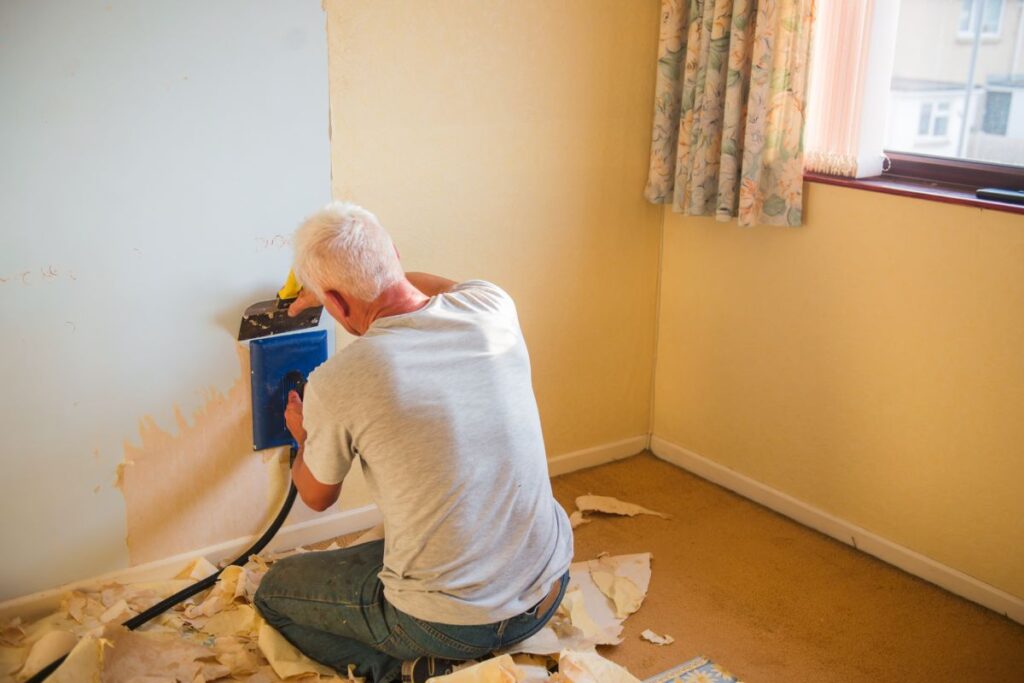
Older homes, particularly those built before the 1970s, may contain paint with lead. Disturbing these coatings through dry sanding, scraping or demolition can release hazardous dust.
Do not assume that old paint is safe to remove simply because it looks like ordinary household paint.
Before starting work, identify potential hazards and seek professional advice if lead-based paint may be present.
Our article on stripping old paint from a heritage home explains the risks and safer ways to approach older paint removal.
Practical Tips for Choosing the Right Finish
Once you have narrowed down your options, a few simple steps can help you avoid common painting mistakes.
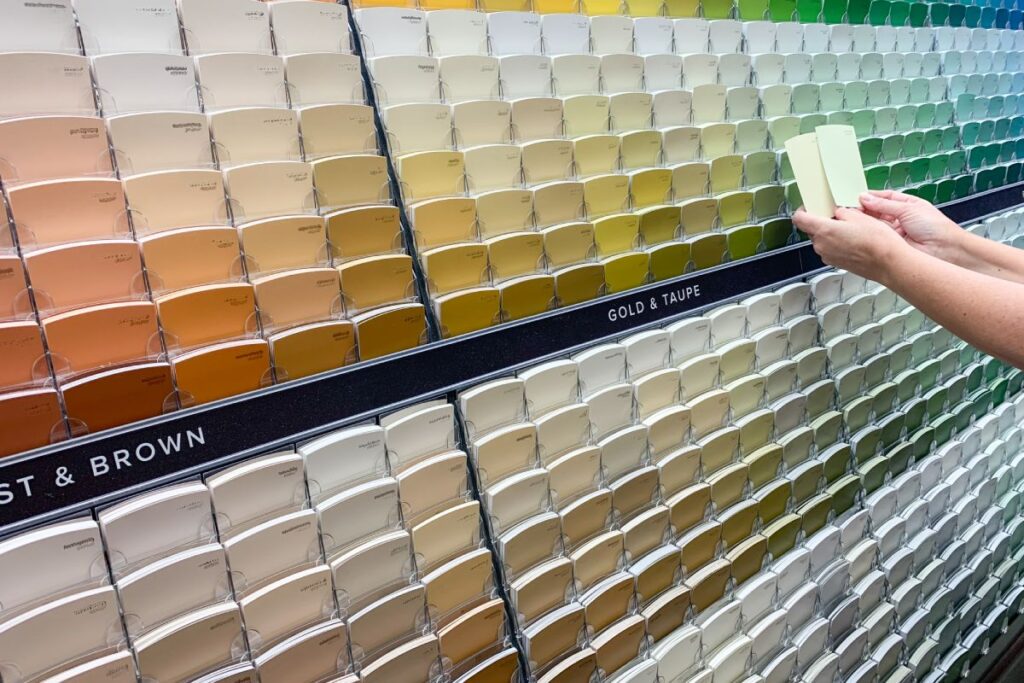
- Test a sample first: Apply a small sample to the actual wall and observe it at different times of day.
- Check the lighting: Natural and artificial light can change how reflective a finish looks.
- Prepare surfaces properly: Fill, sand and clean walls before painting, especially when using higher-sheen products.
- Use suitable brushes and rollers: The correct tools help achieve a more even result.
- Follow the recommended number of coats: Most projects require two coats for consistent colour and coverage, although the product instructions should always take priority.
- Allow sufficient drying time: Follow the manufacturer’s guidance before applying another coat or using the painted surface.
- Keep leftover paint: Store a labelled tin for future touch-ups, including the colour name and finish.
The Bottom Line
Choosing the right interior paint finish is about balancing appearance, durability and maintenance.
Matt finishes are ideal for creating a soft look and hiding minor imperfections, while low sheen and satin offer a practical balance for everyday living spaces. Semi-gloss and gloss are better suited to doors, trim and surfaces that need additional durability.
For most Australian homes, low sheen is a reliable option for living areas and bedrooms, with more reflective finishes reserved for high-use areas and timber details.
Take time to consider the condition of your walls, the lighting in each room and how the space is used. With the right finish and proper preparation, your paintwork can look better and remain easier to maintain for years.